Ever wondered what ‘leads meaning’ really is? It’s more than just potential customers—it’s the lifeblood of sales and marketing. In this deep dive, we’ll unpack everything from definitions to strategies, so you can turn curiosity into conversions.

Leads Meaning: The Core Definition and Business Impact

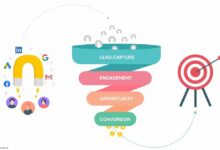
Understanding the leads meaning is the first step toward building a successful sales funnel. At its core, a lead is any individual or organization that has shown interest in your product or service. This interest can be expressed in various ways—filling out a contact form, downloading a whitepaper, or subscribing to a newsletter. The key is that they’ve taken an action that indicates potential for future business.
What Exactly Is a Lead?
A lead is not yet a customer, but rather a prospect who has entered the sales ecosystem. According to Investopedia, a lead is “a potential sales contact whose interest in a company’s product or service has been noted.” This definition emphasizes the transitional nature of a lead—they are in the gray area between stranger and buyer.
- A lead provides contact information voluntarily.
- They may have engaged with content, ads, or demos.
- They are not obligated to purchase but are considered prospects.
The term ‘lead’ originates from the idea of someone being “ahead” of the general public in the buying journey. They are, quite literally, leading the way toward a possible sale.
leads meaning – Leads meaning menjadi aspek penting yang dibahas di sini.
Why Leads Matter in Modern Business
In today’s competitive marketplace, acquiring and nurturing leads is essential for growth. Companies that generate high-quality leads consistently outperform their peers in revenue and market share. A study by HubSpot found that businesses with effective lead generation strategies grow 5x faster than those without.
“Leads are the currency of sales. No leads, no business.” — Anonymous Sales Executive
Without a steady stream of leads, even the best products can fail to gain traction. Marketing teams invest heavily in campaigns designed to attract leads, while sales teams focus on converting them. The entire revenue engine depends on this initial stage of customer acquisition.
Types of Leads: From Cold to Hot Prospects
Not all leads are created equal. The leads meaning varies depending on the level of engagement and readiness to buy. Understanding the different types helps businesses prioritize efforts and allocate resources efficiently.
Marketing Qualified Leads (MQLs)
Marketing Qualified Leads (MQLs) are individuals who have interacted with marketing content and meet specific criteria set by the marketing team. For example, someone who downloads an eBook, attends a webinar, or clicks through a targeted ad might be classified as an MQL.
leads meaning – Leads meaning menjadi aspek penting yang dibahas di sini.
- MQLs show interest but may not be ready to buy.
- They are nurtured through email campaigns and content.
- Criteria for MQLs vary by industry and company size.
According to HubSpot, MQLs are “leads that marketing has deemed more likely to become customers compared to other leads based on lead intelligence.”
Sales Qualified Leads (SQLs)
Sales Qualified Leads (SQLs) are MQLs who have been further vetted and are considered ready for direct sales engagement. This transition happens after a lead meets certain behavioral or demographic thresholds—such as requesting a demo, pricing information, or a direct call.
- SQLs have expressed clear buying intent.
- They are passed from marketing to the sales team.
- Conversion rates for SQLs are significantly higher than for MQLs.
The handoff from marketing to sales is critical. Poorly qualified SQLs can waste sales time, while well-qualified ones can close quickly. Clear definitions and alignment between departments are essential.
Product Qualified Leads (PQLs)
Product Qualified Leads (PQLs) are a newer category, especially relevant in SaaS (Software as a Service) businesses. These are users who have already experienced the product—often through a free trial or freemium model—and demonstrated behaviors that indicate they’re likely to convert to paying customers.
leads meaning – Leads meaning menjadi aspek penting yang dibahas di sini.
- PQLs use the product actively (e.g., logging in daily, using key features).
- They are tracked via product analytics tools like Mixpanel or Amplitude.
- Sales outreach is often triggered by specific usage patterns.
As noted by ProductLed, PQLs represent a shift toward product-led growth, where the product itself drives conversions.
How Leads Are Generated: Channels and Strategies
Understanding the leads meaning also involves knowing how leads are acquired. Different industries and business models rely on various lead generation channels, each with its own strengths and challenges.
Organic Search and Content Marketing
One of the most sustainable ways to generate leads is through organic search. By creating high-quality, SEO-optimized content, businesses attract visitors who are actively searching for solutions.
- Blogs, guides, and videos answer common customer questions.
- Content often includes lead capture forms (e.g., ‘Download the full guide’).
- Long-term ROI is high, though results take time to materialize.
For example, a law firm might publish an article titled ‘How to File for Divorce in California’ and offer a free consultation form at the end. This converts informational seekers into leads.
leads meaning – Leads meaning menjadi aspek penting yang dibahas di sini.
Paid Advertising (PPC and Social Ads)
Paid channels like Google Ads and social media advertising allow businesses to target specific audiences with precision. These campaigns can generate leads quickly, especially when optimized correctly.
- Facebook and LinkedIn ads are popular for B2B and B2C lead gen.
- Landing pages with strong CTAs (Call to Actions) improve conversion rates.
- Cost per lead (CPL) must be monitored to ensure profitability.
A study by Neil Patel shows that businesses using targeted PPC campaigns can reduce CPL by up to 50% with proper A/B testing and audience segmentation.
Referral and Partner Programs
Word-of-mouth remains one of the most trusted forms of lead generation. Referral programs incentivize existing customers or partners to bring in new prospects.
- Customers receive discounts or rewards for successful referrals.
- Partners (like agencies or affiliates) earn commissions.
- Leads from referrals often have higher conversion rates and lifetime value.
Dropbox famously grew its user base by offering extra storage space for referrals, turning users into advocates. This strategy can be adapted for B2B lead generation as well.
leads meaning – Leads meaning menjadi aspek penting yang dibahas di sini.
Lead Scoring: Prioritizing the Right Prospects
With potentially hundreds or thousands of leads entering the funnel, not all deserve equal attention. Lead scoring is a methodology used to rank prospects based on their perceived value.
What Is Lead Scoring?
Lead scoring assigns numerical values to leads based on demographic and behavioral data. The higher the score, the more likely the lead is to convert.
- Demographic factors: job title, company size, industry.
- Behavioral factors: page visits, email opens, content downloads.
- Scores help automate routing to sales or nurture campaigns.
For instance, a lead who works in IT at a Fortune 500 company and has visited the pricing page three times might receive a high score, while a student downloading a brochure might score lower.
Implementing a Lead Scoring Model
Creating an effective lead scoring system requires collaboration between marketing and sales teams. The process typically involves:
leads meaning – Leads meaning menjadi aspek penting yang dibahas di sini.
- Defining ideal customer profiles (ICPs).
- Identifying key engagement signals.
- Assigning point values to each criterion.
- Testing and refining the model over time.
Tools like Marketo and HubSpot CRM offer built-in lead scoring features that automate much of this process.
“Lead scoring turns noise into signal. It helps sales focus on who matters most.” — Marketing Director, Tech Startup
Lead Nurturing: Turning Interest into Action
Most leads aren’t ready to buy immediately. Lead nurturing is the process of building relationships with prospects over time, guiding them toward a purchase decision.
The Role of Email Drip Campaigns
Email remains one of the most effective tools for lead nurturing. Drip campaigns send a series of automated, personalized emails based on user behavior or time intervals.
- A new lead might receive a welcome email, followed by case studies and testimonials.
- Behavior-triggered emails respond to actions (e.g., abandoned cart, demo request).
- Personalization increases open and click-through rates.
According to Campaign Monitor, drip emails generate 18x more revenue than broadcast emails and have a 119% higher click rate.
leads meaning – Leads meaning menjadi aspek penting yang dibahas di sini.
Content Personalization and Retargeting
Personalization goes beyond using a lead’s name in an email. It involves delivering the right content to the right person at the right time.
- Website personalization shows different content based on visitor profile.
- Retargeting ads follow users across the web, reminding them of your brand.
- Dynamic content in emails adapts based on user data.
For example, a SaaS company might show a trial user a video tutorial for a feature they haven’t used yet, increasing the chance of conversion.
Leads Meaning in Different Industries: B2B vs B2C
The leads meaning can vary significantly depending on the business model. What constitutes a valuable lead in B2B may differ from B2C contexts.
B2B Lead Generation Dynamics
In B2B (Business-to-Business) environments, leads are often organizations rather than individuals. The sales cycle is longer, involving multiple decision-makers and higher stakes.
leads meaning – Leads meaning menjadi aspek penting yang dibahas di sini.
- Leads are typically generated through LinkedIn outreach, whitepapers, or webinars.
- Lead qualification focuses on company size, budget, and authority.
- CRM systems like Salesforce are used to track lead progression.
A B2B software vendor might consider a lead qualified only after a CTO requests a custom demo, indicating serious interest.
B2C Lead Generation Strategies
B2C (Business-to-Consumer) leads are usually individuals making personal purchasing decisions. The sales cycle is shorter, and emotional appeal often plays a bigger role.
- Leads come from social media, e-commerce sites, or influencer marketing.
- Conversion often happens quickly, sometimes instantly.
- Lead capture might involve discount offers or free samples.
An online fashion brand might offer 10% off for signing up, turning a visitor into a lead and potentially a customer in one go.
Measuring Lead Quality and Conversion Success
Generating leads is only half the battle. The real measure of success lies in conversion rates and return on investment (ROI).
leads meaning – Leads meaning menjadi aspek penting yang dibahas di sini.
Key Metrics for Lead Performance
To evaluate the effectiveness of lead generation efforts, businesses track several key performance indicators (KPIs):
- Conversion Rate: Percentage of leads that become customers.
- Cost Per Lead (CPL): Total spend divided by number of leads acquired.
- Lead-to-Customer Ratio: How many leads it takes to close one sale.
- Time to Conversion: Average duration from lead capture to sale.
These metrics help identify which channels and campaigns deliver the best results.
Tools for Tracking and Analytics
Modern marketing relies on robust analytics platforms to monitor lead behavior and performance.
- Google Analytics tracks website traffic and conversion paths.
- CRM systems (e.g., HubSpot, Salesforce) manage lead data and sales pipelines.
- Marketing automation tools (e.g., ActiveCampaign, Pardot) streamline nurturing workflows.
Integration between these tools ensures a unified view of the customer journey, enabling data-driven decisions.
leads meaning – Leads meaning menjadi aspek penting yang dibahas di sini.
Common Mistakes in Lead Management and How to Avoid Them
Even experienced teams can fall into traps when handling leads. Recognizing these pitfalls is crucial for maximizing ROI.
Ignoring Lead Follow-Up
One of the biggest mistakes is failing to follow up promptly. Research by Salesforce shows that leads contacted within 5 minutes are 21x more likely to convert than those contacted after 30 minutes.
- Automated email sequences can bridge the gap until a sales rep responds.
- Setting up instant notifications ensures timely outreach.
- Delayed follow-up often results in lost opportunities.
Poor Lead Qualification
Not all leads are worth pursuing. Spending time on unqualified leads wastes resources and frustrates sales teams.
- Clear qualification criteria must be established.
- Regular training helps teams identify red flags.
- Using lead scoring reduces human bias in selection.
“Chasing every lead is like fishing with a net full of holes—you’ll never catch the big ones.” — Sales Trainer
Overlooking Lead Nurturing
Many businesses focus on acquisition but neglect nurturing. This leads to high drop-off rates and low conversion.
leads meaning – Leads meaning menjadi aspek penting yang dibahas di sini.
- Develop a content calendar for ongoing engagement.
- Use segmentation to deliver relevant messages.
- Monitor engagement metrics to refine strategies.
A well-nurtured lead is significantly more likely to convert, even if the process takes weeks or months.
What is the basic leads meaning?
The basic leads meaning refers to any person or organization that has shown interest in a product or service and provided contact information, making them a potential customer. They are not yet buyers but are in the early stages of the sales funnel.
What’s the difference between MQL and SQL?
leads meaning – Leads meaning menjadi aspek penting yang dibahas di sini.
A Marketing Qualified Lead (MQL) is someone who has engaged with marketing content and meets initial criteria. A Sales Qualified Lead (SQL) is an MQL who has been further evaluated and is deemed ready for direct sales contact, often showing clear buying intent.
How can I generate high-quality leads?
Focus on targeted content, SEO, and paid ads that attract the right audience. Use lead scoring to prioritize prospects, and implement nurturing campaigns via email and retargeting to build trust and guide them toward a purchase.
Why is lead nurturing important?
leads meaning – Leads meaning menjadi aspek penting yang dibahas di sini.
Most leads aren’t ready to buy immediately. Nurturing builds relationships, educates prospects, and keeps your brand top-of-mind, increasing the likelihood of conversion over time.
What tools help manage leads effectively?
CRM platforms like HubSpot and Salesforce, marketing automation tools like Marketo or ActiveCampaign, and analytics tools like Google Analytics help track, score, and nurture leads efficiently.
Understanding the leads meaning is fundamental to any successful sales and marketing strategy. From defining what a lead is to mastering generation, scoring, and nurturing, every step impacts your bottom line. By leveraging the right channels, avoiding common mistakes, and using data-driven tools, businesses can transform raw interest into loyal customers. Whether you’re in B2B or B2C, the principles remain the same: attract the right people, engage them meaningfully, and guide them toward a decision. In 2024 and beyond, mastering lead management isn’t just an option—it’s a necessity for growth.
Further Reading:
