Want to grow your business? It all starts with one thing: leads. Without a steady flow of quality leads, even the best products can fall flat. In this deep dive, we’ll explore what leads really are, how to generate them effectively, and the strategies top marketers use to convert strangers into loyal customers.


What Are Leads and Why They Matter

At the heart of every successful business is a pipeline filled with potential customers—these are leads. A lead is any individual or organization that has shown interest in your product or service. This interest can come from filling out a form, subscribing to a newsletter, downloading a guide, or engaging with your content online.
The Definition of a Lead
In marketing terms, a lead is more than just a name and email. It’s a person who has taken a specific action indicating intent. According to HubSpot, a lead is “someone who could become a customer” based on their engagement with your brand [HubSpot].
- A lead shows interest by providing contact information.
- They may not be ready to buy yet, but they’re open to communication.
- Leads are the starting point of the sales funnel.
Types of Leads: From Cold to Hot
Not all leads are created equal. Understanding the different types helps you tailor your follow-up strategy.
- Cold Leads: These individuals have minimal interaction with your brand. They might have visited your site but haven’t engaged deeply.
- Warm Leads: They’ve interacted with your content—downloaded an eBook, attended a webinar, or followed your social media.
- Hot Leads: These are ready to buy. They’ve requested a demo, contacted sales, or added items to their cart.
“A lead is not just a data point—it’s a human being with a problem you can solve.” — Marketing Expert, Neil Patel
How Leads Fuel Business Growth
Leads are the lifeblood of sales and marketing. Without them, businesses stagnate. Every company, from startups to Fortune 500s, invests heavily in lead generation because it directly impacts revenue.
The Role of Leads in the Sales Funnel
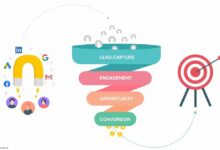
The sales funnel illustrates the customer journey from awareness to purchase. Leads enter at the top (awareness stage) and move down as they engage more.
- Awareness: Prospects discover your brand through ads, blogs, or social media.
- Interest: They engage by reading content, watching videos, or signing up for newsletters.
- Decision: Leads compare your offering with competitors.
- Action: They convert into paying customers.
Each stage relies on quality leads to keep the funnel moving. Poor lead quality results in high drop-off rates and wasted resources.
Leads vs. Customers: Understanding the Gap
Not every lead becomes a customer. The conversion rate varies by industry but averages around 5-10% according to Salesforce [Salesforce]. Bridging the gap requires nurturing, personalization, and timely follow-ups.
- Leads need education before they trust your solution.
- Automated email sequences can guide them toward a purchase.
- Sales teams must prioritize high-intent leads for faster conversions.
Top 7 Proven Strategies to Generate Leads
Generating leads isn’t about luck—it’s about strategy. The most effective methods combine content, technology, and psychology to attract and capture interest.
1. Content Marketing That Converts
High-value content is one of the most powerful tools for attracting organic leads. Blogs, eBooks, whitepapers, and guides position your brand as an authority.
- Create content around common pain points in your industry.
- Use gated content (e.g., “Download our free guide”) to collect lead info.
- Optimize content for SEO to attract long-term traffic.
For example, a SaaS company offering project management software might publish a guide titled “10 Ways to Boost Team Productivity” and require an email to download it. This turns readers into leads.
2. Social Media Lead Generation
Social platforms like LinkedIn, Facebook, and Instagram offer robust tools for capturing leads directly.
- Use Facebook Lead Ads to collect information without leaving the app.
- Run LinkedIn campaigns targeting decision-makers in specific industries.
- Host live Q&A sessions to build trust and gather sign-ups.
According to Hootsuite, businesses using social media ads see up to 3x higher lead conversion rates than traditional methods [Hootsuite].
3. Email Marketing Campaigns
Email remains one of the highest ROI channels for nurturing leads. A well-crafted sequence can guide prospects from curiosity to commitment.
- Offer a lead magnet (e.g., checklist, template) in exchange for an email.
- Use segmentation to send personalized messages based on behavior.
- Automate drip campaigns to stay top-of-mind.
“Email marketing generates $42 for every $1 spent—making it the king of ROI.” — Campaign Monitor
4. Search Engine Optimization (SEO)
Ranking high on Google means more visibility and more leads. SEO drives organic traffic that converts better than paid sources over time.
- Target long-tail keywords like “best CRM for small business leads”.
- Optimize landing pages with clear CTAs and fast load times.
- Build backlinks from authoritative sites to boost credibility.
A study by Backlinko shows that the first result on Google gets 27.6% of all clicks—proving the value of top rankings [Backlinko].
5. Paid Advertising (PPC)
Pay-per-click (PPC) campaigns on Google Ads and social media deliver instant leads when done right.
- Use highly targeted keywords to reach people actively searching.
- Design compelling ad copy with strong CTAs like “Get Your Free Quote”.
- Landing pages should match ad intent to reduce bounce rates.
Google Ads can generate leads within hours, making it ideal for time-sensitive offers or new product launches.
6. Webinars and Live Events
Hosting educational webinars builds authority and captures high-intent leads.
- Promote the event via email, social media, and paid ads.
- Require registration to collect attendee data.
- Follow up with recordings and special offers post-event.
According to ON24, 60% of webinar attendees are willing to share contact details for valuable content [ON24].
7. Referral and Partner Programs
Leverage existing customers and partners to bring in new leads through word-of-mouth.
- Offer incentives for referrals (e.g., discounts, gift cards).
- Collaborate with complementary businesses for co-marketing.
- Track referral sources to measure program effectiveness.
Word-of-mouth leads have a 37% higher conversion rate than other sources (Nielsen) [Nielsen].
Tools and Technologies to Capture and Manage Leads
Generating leads is only half the battle. You also need systems to capture, track, and nurture them effectively.
CRM Systems: The Backbone of Lead Management
Customer Relationship Management (CRM) platforms like Salesforce, HubSpot, and Zoho help organize leads, automate follow-ups, and track sales progress.
- Store lead details (name, company, behavior) in one place.
- Set reminders for follow-up calls or emails.
- Integrate with email, social media, and website forms.
A CRM ensures no lead falls through the cracks and provides insights into what’s working.
Lead Capture Forms and Pop-Ups
Strategically placed forms increase conversion rates. Tools like OptinMonster, Leadpages, and Unbounce make it easy to design high-performing lead capture elements.
- Use exit-intent pop-ups to catch leaving visitors.
- Embed forms in blog posts or sidebar widgets.
- A/B test different designs and CTAs for optimal performance.
For instance, adding a simple email subscription form at the end of a blog post can boost lead collection by 20-30%.
Marketing Automation Platforms
Automation tools like Mailchimp, ActiveCampaign, and Klaviyo streamline lead nurturing.
- Send targeted emails based on user behavior.
- Tag leads by interest level or stage in the funnel.
- Trigger workflows when a lead downloads a resource or visits a pricing page.
Automation saves time and ensures consistent communication, increasing the chances of conversion.
How to Qualify and Score Leads Effectively
Not all leads deserve the same attention. Qualifying helps you focus on those most likely to convert.
Understanding BANT: Budget, Authority, Need, Timing
BANT is a classic framework used by sales teams to assess lead quality.
- Budget: Does the lead have the financial resources to buy?
- Authority: Are they the decision-maker or influencer?
- Need: Do they have a problem your product solves?
- Timing: Are they ready to buy now or in the near future?
A lead who checks all four boxes is considered sales-ready.
Lead Scoring Models: Assigning Value to Engagement
Lead scoring assigns numerical values to actions a prospect takes. High scores indicate higher intent.
- Visiting the pricing page: +10 points
- Downloading a case study: +15 points
- Attending a demo: +25 points
- Opening three consecutive emails: +5 points
Once a lead reaches a threshold (e.g., 50 points), they’re passed to sales. This prevents wasted effort on uninterested prospects.
Marketing Qualified Leads (MQL) vs. Sales Qualified Leads (SQL)
Distinguishing between MQLs and SQLs improves team alignment.
- MQL: A lead engaged with marketing content but not yet ready for sales.
- SQL: A lead vetted by marketing and approved for direct sales contact.
Clear definitions prevent friction between departments and ensure smoother handoffs.
Nurturing Leads: Turning Interest into Sales
Most leads aren’t ready to buy immediately. Nurturing builds trust and guides them toward a decision.
The Power of Drip Email Campaigns
Drip campaigns deliver a series of automated emails over time, educating leads and reinforcing value.
- Day 1: Welcome email with a thank-you and resource link.
- Day 3: Share a customer success story.
- Day 7: Offer a free consultation or demo.
- Day 14: Send a limited-time offer to create urgency.
These sequences keep your brand top-of-mind without being pushy.
Personalization: The Key to Engagement
Generic messages get ignored. Personalized content increases open rates, click-throughs, and conversions.
- Use the lead’s name and company in emails.
- Recommend content based on past behavior.
- Send birthday or anniversary messages with special offers.
According to SmarterHQ, 72% of consumers only engage with personalized messaging [SmarterHQ].
Retargeting Ads to Re-Engage Cold Leads
Many leads visit your site but leave without converting. Retargeting brings them back.
- Use Facebook Pixel or Google Ads Remarketing to track visitors.
- Show ads highlighting benefits or testimonials.
- Offer a discount or free trial to reignite interest.
Retargeted visitors are 70% more likely to convert than new ones (Aberdeen Group) [Aberdeen].
Measuring Lead Generation Success: Key Metrics to Track
You can’t improve what you don’t measure. Tracking performance helps refine your lead strategies.
Conversion Rate: From Visitor to Lead
This measures how many website visitors become leads.
- Formula: (Number of Leads / Total Visitors) x 100
- Aim for 5-10% on landing pages; higher is better.
- Improve with better CTAs, faster load times, and clearer value propositions.
Cost Per Lead (CPL)
CPL tells you how much you’re spending to acquire each lead.
- Formula: Total Campaign Spend / Number of Leads Generated
- Compare CPL across channels to identify the most cost-effective.
- Lower CPL doesn’t always mean better—quality matters too.
Lead-to-Customer Conversion Rate
This shows how effective your sales process is at closing leads.
- Formula: (Number of Customers / Number of Leads) x 100
- Industry average: 5-15%
- Improve by better qualifying leads and enhancing follow-up.
Return on Investment (ROI) of Lead Generation
Ultimately, you want to know if your lead efforts are profitable.
- Formula: (Revenue from Leads – Cost of Campaign) / Cost of Campaign
- A positive ROI means you’re earning more than you’re spending.
- Scale what works and cut underperforming channels.
Common Mistakes to Avoid in Lead Generation
Even experienced marketers make errors that hurt lead quality and volume.
Targeting the Wrong Audience
Attracting leads who don’t need your product wastes time and money.
- Define your ideal customer profile (ICP) clearly.
- Use buyer personas to guide messaging and targeting.
- Refine audience segments based on data, not assumptions.
Overlooking Lead Nurturing
Many businesses focus only on acquisition and ignore follow-up.
- 80% of leads require 5+ follow-ups before converting (Marketing Donut) [Marketing Donut].
- Without nurturing, leads go cold and lose interest.
- Implement automated workflows to stay in touch.
Poor Follow-Up Timing
Speed matters. Research shows that leads contacted within 5 minutes are 21x more likely to convert (InsideSales) [InsideSales].
- Use instant notifications for new leads.
- Set up auto-responses to acknowledge submissions.
- Train sales teams to prioritize fast outreach.
What is a lead in marketing?
A lead in marketing is a person or organization that has shown interest in your product or service by providing contact information or engaging with your content. They are potential customers at the early stage of the buying journey.
How do you generate high-quality leads?
You generate high-quality leads by targeting the right audience with valuable content, using lead magnets, optimizing landing pages, leveraging SEO and paid ads, and nurturing prospects through email and retargeting campaigns.
What’s the difference between MQL and SQL?
A Marketing Qualified Lead (MQL) has engaged with marketing efforts but isn’t ready for sales. A Sales Qualified Lead (SQL) has been vetted and is ready for direct sales contact based on intent and qualification criteria.
How important is lead nurturing?
Extremely important. Most leads aren’t ready to buy immediately. Nurturing builds trust, educates prospects, and increases the likelihood of conversion over time through personalized communication.
What tools help manage leads effectively?
CRM systems like HubSpot, Salesforce, and Zoho; email marketing platforms like Mailchimp; and automation tools like ActiveCampaign help capture, track, and nurture leads efficiently.
Leads are the foundation of sustainable business growth. From understanding what a lead is to mastering generation, qualification, and nurturing, every step impacts your bottom line. By implementing proven strategies like content marketing, SEO, paid ads, and automation—and avoiding common pitfalls—you can build a reliable pipeline of high-quality leads. The key is consistency, measurement, and continuous optimization. Start applying these insights today, and watch your lead flow—and conversions—soar.
Further Reading:
