Want to grow your business fast? Mastering lead generation is the ultimate game-changer. It’s not just about getting names—it’s about attracting the right people who actually want what you offer.

What Is Lead Generation and Why It Matters

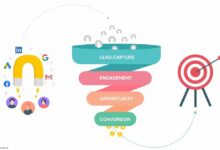
Lead generation is the process of attracting and converting strangers into potential customers—people who have shown interest in your product or service. In today’s digital world, where attention is scarce and competition is fierce, effective lead generation separates thriving businesses from stagnant ones.
The Core Definition of Lead Generation
At its heart, lead generation is about initiating consumer interest. A “lead” is someone who has given you permission—through a form, a download, or a sign-up—to communicate with them further. This could be as simple as an email address or as detailed as a phone number and job title.
According to Investopedia, lead generation is a critical step in the sales funnel, bridging marketing efforts with actual revenue.
Why Lead Generation Is the Lifeblood of Business Growth
Without leads, there are no customers. Without customers, there is no revenue. It’s that simple. But beyond survival, strategic lead generation fuels scalability. It allows businesses to forecast sales, refine messaging, and build long-term customer relationships.
- Drives consistent sales pipeline
- Reduces customer acquisition cost over time
- Enables data-driven marketing decisions
“Lead generation isn’t a tactic—it’s the foundation of sustainable business growth.” — Neil Patel, Digital Marketing Expert
7 Powerful Lead Generation Strategies That Work in 2024
The digital landscape has evolved, and so must your approach to lead generation. Gone are the days of cold calling and spammy pop-ups. Today’s most effective strategies are value-first, trust-based, and highly targeted.
1. Content Marketing: Attract Leads with Value
Content marketing remains one of the most effective long-term lead generation strategies. By creating helpful, informative, and engaging content, you position your brand as an authority and attract high-intent leads.
For example, a blog post titled “10 Common SEO Mistakes Small Businesses Make” can attract business owners actively searching for SEO help. Offer a downloadable checklist in exchange for their email, and you’ve just captured a qualified lead.
HubSpot reports that companies that blog generate 55% more website visitors and convert them at a higher rate than non-blogging companies.
2. Lead Magnets: Offer Something Irresistible
A lead magnet is a free resource offered in exchange for contact information. The key is relevance and perceived value. Common lead magnets include:
- E-books and guides
- Templates and checklists
- Free trials or demos
- Webinars and training sessions
The best lead magnets solve a specific, urgent problem. For instance, a SaaS company might offer a “Free CRM Setup Checklist” to attract small business owners overwhelmed by sales tools.
According to OptinMonster, using a lead magnet can increase conversion rates by up to 600%.
3. Social Media Lead Generation Campaigns
Social media isn’t just for brand awareness—it’s a powerful lead generation channel when used strategically. Platforms like LinkedIn, Facebook, and Instagram offer advanced targeting and lead capture forms.
LinkedIn Lead Gen Forms, for example, auto-fill user data, reducing friction and increasing conversion rates. A B2B company can run a sponsored content campaign offering a whitepaper, with a form that requires minimal input from the user.
Facebook’s lead ads have been shown to generate leads at a lower cost per lead than many traditional methods, especially in industries like real estate, education, and finance.
Optimizing Your Website for Lead Generation
Your website is your 24/7 salesperson. If it’s not optimized for lead generation, you’re leaving money on the table. Every page should have a clear purpose: to guide visitors toward becoming leads.
High-Converting Landing Pages
A landing page is a standalone web page designed for one goal: conversion. Unlike homepage or blog pages, landing pages remove distractions and focus on a single offer.
Key elements of a high-converting landing page include:
- A compelling headline that speaks to the visitor’s pain point
- Clear, benefit-driven copy
- A prominent, easy-to-fill form
- Trust signals like testimonials or security badges
Unbounce found that companies using A/B testing on landing pages see conversion rates increase by an average of 41%.
Strategic Call-to-Action (CTA) Placement
A call-to-action tells visitors what to do next. Weak or missing CTAs are a major reason for low conversion rates.
Effective CTAs are action-oriented, benefit-focused, and visually distinct. Examples include:
- “Download Your Free Guide Now”
- “Get Your Personalized Quote”
- “Start Your 14-Day Trial”
Place CTAs above the fold, at the end of blog posts, and in slide-in popups for maximum visibility. Tools like Hotjar can help you analyze user behavior and optimize CTA placement.
Leveraging Email Marketing for Lead Nurturing
Generating a lead is just the beginning. The real magic happens in lead nurturing—building trust and guiding prospects toward a purchase decision.
Building an Email List That Converts
Email remains one of the highest ROI channels for lead generation and nurturing. According to the Data & Marketing Association, email delivers an average ROI of $42 for every $1 spent.
To build a quality list:
- Use double opt-in to ensure legitimacy
- Segment your audience from the start
- Offer value in every email
Avoid buying email lists—these leads are low-quality and can damage your sender reputation.
Automated Email Drip Campaigns
Drip campaigns are a series of automated emails sent based on user behavior or time delays. They’re perfect for nurturing leads who aren’t ready to buy yet.
For example:
- Day 1: Welcome email + lead magnet delivery
- Day 3: Case study showing results
- Day 7: Product demo invitation
- Day 10: Special offer or discount
Marketing automation tools like Mailchimp, ActiveCampaign, and HubSpot make it easy to set up and track these campaigns.
“Email is not dead—it’s the most personal channel you own.” — Seth Godin, Marketing Guru
Using Paid Advertising for Scalable Lead Generation
While organic strategies take time, paid advertising can deliver fast, scalable results. When done right, paid ads can generate high-quality leads at a predictable cost.
Google Ads: Capture High-Intent Leads
Google Ads targets users actively searching for solutions. These are “high-intent” leads—people who already know they have a problem and are looking for answers.
For example, someone searching for “best CRM for small business” is much closer to buying than someone randomly scrolling Facebook.
Use search ads with compelling ad copy and direct them to a dedicated landing page. Focus on long-tail keywords to reduce competition and improve conversion rates.
WordStream reports that the average conversion rate for Google Search Ads is 3.75%, significantly higher than many other channels.
Retargeting Ads: Re-Engage Lost Leads
Most website visitors don’t convert on their first visit. Retargeting ads follow them across the web, reminding them of your offer and encouraging them to return.
For example, if someone downloads your e-book but doesn’t schedule a demo, a retargeting ad can show them a testimonial or a limited-time offer to re-engage them.
Retargeting can increase conversion rates by up to 150%, according to AdRoll.
Measuring and Optimizing Your Lead Generation Efforts
You can’t improve what you don’t measure. Tracking key metrics allows you to refine your strategies, eliminate waste, and scale what works.
Key Lead Generation Metrics to Track
To evaluate performance, focus on these critical KPIs:
- Conversion Rate: Percentage of visitors who become leads
- Cost Per Lead (CPL): How much you spend to acquire one lead
- Lead Quality: How many leads actually become customers
- Lead-to-Customer Rate: Percentage of leads that convert to paying customers
Google Analytics, CRM systems, and marketing automation platforms can help you track these metrics in real time.
A/B Testing for Continuous Improvement
A/B testing (or split testing) involves comparing two versions of a webpage, ad, or email to see which performs better.
Test one element at a time:
- Headlines
- CTA button color or text
- Form length
- Images or videos
Even small changes can have a big impact. For example, changing a CTA from “Submit” to “Get My Free Guide” can increase conversions by 20% or more.
“Test everything. Assume nothing.” — Rand Fishkin, Founder of Moz
Common Lead Generation Mistakes to Avoid
Even experienced marketers make mistakes that sabotage their lead generation efforts. Avoiding these pitfalls can save time, money, and frustration.
Targeting the Wrong Audience
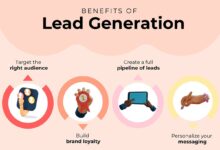
Generating leads is pointless if they’re not the right people. A common mistake is casting too wide a net. Instead, create detailed buyer personas to understand your ideal customer’s pain points, goals, and behaviors.
Use audience segmentation in your ads and emails to deliver personalized messages that resonate.
Overlooking Lead Nurturing
Many businesses focus only on lead capture and forget about follow-up. But 80% of leads never convert because they’re not nurtured properly.
Set up automated workflows to stay in touch, provide value, and guide leads through the buyer’s journey.
Poor Follow-Up and Sales Alignment
Marketing and sales teams must be aligned. If sales reps don’t follow up on leads quickly, conversion rates plummet.
Research by InsideSales shows that the odds of qualifying a lead drop by 400% if the follow-up takes longer than 10 minutes.
Implement a lead scoring system and use a CRM to ensure timely handoff and follow-up.
What is lead generation?
Lead generation is the process of attracting and converting strangers into potential customers by collecting their contact information, usually in exchange for value like a free guide, trial, or consultation.
What are the best lead generation strategies in 2024?
The most effective strategies include content marketing, lead magnets, social media campaigns, email nurturing, paid advertising (Google & retargeting), and optimized landing pages.
How do I generate high-quality leads?
Focus on targeting the right audience, offering valuable lead magnets, nurturing leads with email, and aligning marketing with sales for timely follow-up.
What tools are best for lead generation?
Popular tools include HubSpot (CRM & marketing automation), Mailchimp (email), Unbounce (landing pages), Google Ads, and LinkedIn Lead Gen Forms.
How do I measure lead generation success?
Track metrics like conversion rate, cost per lead, lead-to-customer rate, and ROI. Use A/B testing to continuously improve performance.
Lead generation is not a one-time campaign—it’s an ongoing strategy that fuels business growth. From creating valuable content to optimizing landing pages and nurturing leads with email, every step matters. By avoiding common mistakes and measuring what works, you can build a predictable, scalable system that delivers results. Start implementing these proven strategies today and watch your sales pipeline grow.
Further Reading:
